
TQS III Element E
Teachers plan and deliver effective instruction and create an environment that facilitates learning for their students.
Teachers provide students with opportunities to work in teams and develop leadership.
Introduction to Map-Making
As an introduction to a 6th-grade map-making unit, I designed a lesson to expand students’ understanding of what maps can be by engaging them in both discussion and research. While this class often emphasizes hands-on artmaking, I incorporated a research-based approach to develop students’ conceptual thinking and visual literacy. The lesson focused on contemporary artists who use maps in innovative ways, encouraging students to consider the broader definition of mapping beyond traditional geography. This approach aligns with Visual Arts GLE – Sixth Grade, Standard 2: Envision and Critique to Reflect, as students practiced identifying and interpreting meaning in both visual and conceptual forms of mapping.
We began with a “What is a Map?” activity, in which various types of maps—including anatomical, narrative, and conceptual—were placed on tables. Students worked in small groups to compare and contrast the examples and then contributed to a whole-class discussion. This activity revealed students’ excitement and curiosity, with many expressing surprise at how diverse and symbolic maps could be. Their insights demonstrated a shift in thinking and laid the groundwork for more imaginative interpretations in their own work.
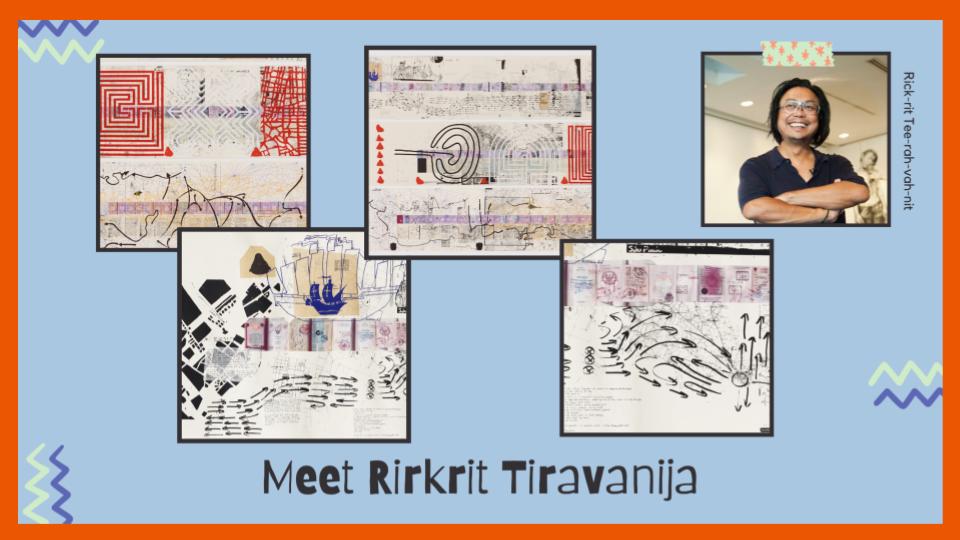
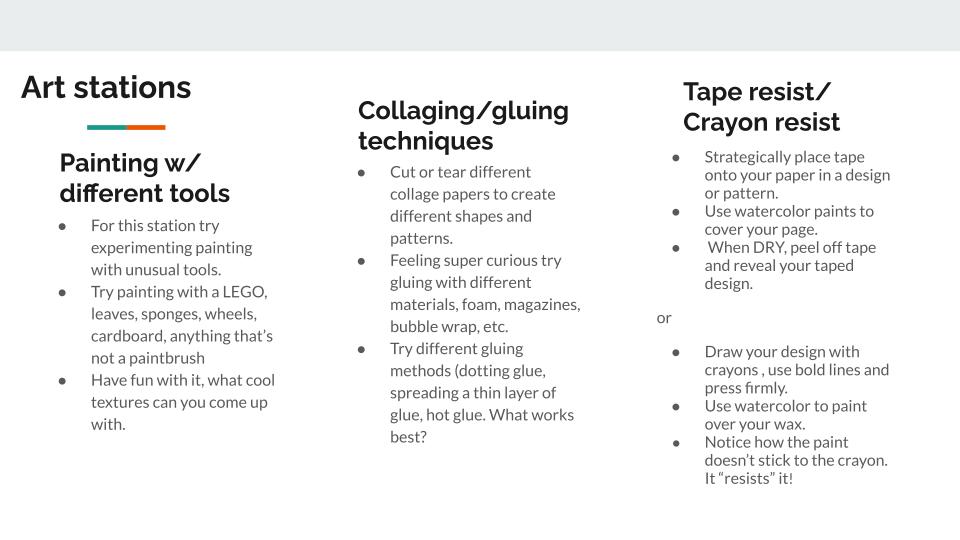
To deepen the experience, I introduced contemporary artists through rotating stations where students engaged with artist bios and visual examples of map-inspired artwork. I differentiated responses by allowing students to reflect through writing, drawing, or verbal discussion. This flexibility ensured that all learners could participate meaningfully and demonstrated my understanding of the intellectual, social, and emotional needs of middle school students—supporting TQS Three, Element A. Their thoughtful responses, whether written or sketched, revealed strong engagement and a developing ability to analyze how artists embed personal, social, or symbolic meaning into visual work.
Looking ahead, I plan to refine the group reflection component by acting as a live note-taker during the final discussion. This would allow students to visually track each other’s observations and create a collective bank of ideas to support their studio work. This experience affirmed the value of integrating conceptual exploration with creative practice and reinforced the importance of planning instruction that fosters both independent thinking and collaborative learning.





 Brittany Ruland // Artist & Educator